Define the oil before comparing prices
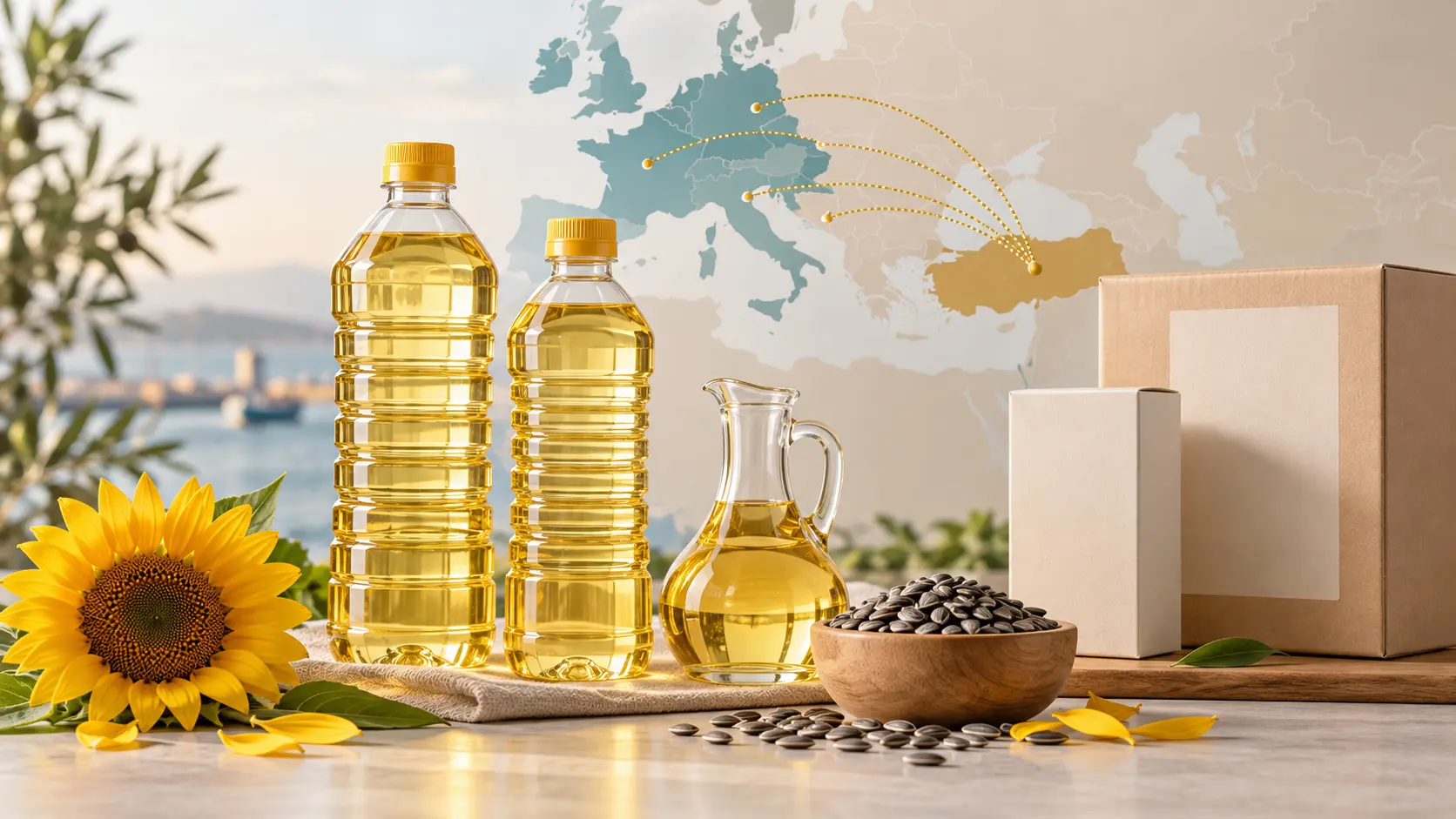
Start with the exact commercial identity: refined sunflower oil, the intended food use, destination market, pack format and whether the buyer expects conventional, high-oleic or another documented profile. Do not compare an offer described only as “sunflower oil” with one tied to a declared raw-material and fatty-acid specification. Ask the bidder to state the botanical source, refining steps, additives if any, blending rule and change-notification process.
The Codex Standard for Named Vegetable Oils, CXS 210-1999, defines sunflower seed oil and provides identity and quality reference values. Use it as a technical comparison reference, not as a substitute for the binding rules of the destination market. The grocery staples buyer page places the product within the wider sourcing category, while the private-label workflow assigns ownership for specification, artwork, samples and changes.
Turn “good quality” into measurable release limits
Build the specification around measurable parameters and named methods. Depending on the agreed product, these may include appearance, colour, odour and flavour, free fatty acids or acid value, peroxide value, moisture and volatile matter, insoluble impurities, soap traces, fatty-acid profile and any antioxidant or antifoam identity. Set limits only after the buyer and technical parties confirm the intended grade and method. A supplier certificate should identify the lot, sampling date, method, result and specification version rather than repeat a generic brochure.
Oxidation is controlled by the complete handling chain. Define tank or filling conditions, headspace approach where relevant, light exposure, storage temperature range, maximum time before filling, finished-pack shelf-life study, retained samples and rejection authority. Compare a fresh sample and an aged pack under the agreed protocol. A clear, pale bottle photograph does not prove identity, stability or sensory acceptance.
Use a risk-based residue and contaminant plan
Regulation (EU) 2023/915 sets maximum levels for specified contaminants in food, including provisions relevant to vegetable oils. The buyer should map the applicable entries to the exact oil and process, then document supplier controls, sampling, laboratory scope, reporting limits and action rules. Do not copy a panel from another oil or claim that one certificate covers every destination requirement.
EU pesticide maximum residue levels are managed under Regulation (EC) No 396/2005 and its amendments. The European Commission's MRL legislation page explains the harmonised system and the treatment of processed products. Agree how raw sunflower-seed information, processing factors where justified, supplier history and targeted testing support the finished-oil risk assessment. The responsible importer should confirm the current legal values for the intended market at the time of shipment.
Connect seed intake, refining and finished lots
Regulation (EC) No 178/2002 establishes general food-law responsibilities and traceability. Ask for a lot-coding model that links incoming oil or seed records, refining and storage batches, filling line, packaging lots and finished cases. Define who can retrieve the immediate supplier and customer records, how quickly a mock trace is completed and how affected stock is isolated.
The approval file should state the manufacturing and filling sites, specification owner, change-control contacts, certificate-of-analysis review, non-conformance route, complaint sample retention and recall communication. Keep origin statements separate from company location or shipment route: the declared origin must be supported for the actual lot and label claim.
Approve the retail pack, not an empty bottle
For EU retail packs, Regulation (EU) No 1169/2011 provides the food-information framework. Confirm the legal name, ingredient presentation where applicable, net quantity, date marking, storage and use instructions, responsible food business operator, nutrition declaration, language and lot placement for the destination. Review claims separately; artwork approval is not a substitute for legal review.

Test the oil in the proposed bottle, closure, label, case and pallet pattern. Check fill control, leak resistance, tamper evidence, cap torque, paneling or deformation, label adhesion, barcode area, light exposure and case compression under defined distribution conditions. Regulation (EC) No 1935/2004 and Regulation (EC) No 2023/2006 frame food-contact safety and good manufacturing practice. Request declarations and supporting information for the actual bottle, closure, liner, ink and adhesive combination.
Send one comparable RFQ
- Destination, channel, intended use, oil identity and any excluded blends or claims
- Raw-material profile, refining steps, additive policy and change notification
- Quality limits, methods, sensory protocol, shelf-life design and retained samples
- Residue and contaminant risk plan, laboratory scope and lot release documents
- Traceability model, origin evidence, sites, mock recall and non-conformance route
- Bottle, closure, label, case and pallet specifications plus compatibility tests
- Quantity, named delivery place, price basis, minimum order, lead time and offer validity
Require every bidder to mark deviations on the same sheet and keep technical approval separate from commercial comparison. The comparable export quote guide structures delivery terms and inclusions. Send the completed brief through the Marnivo inquiry form for a case-specific sourcing review.